


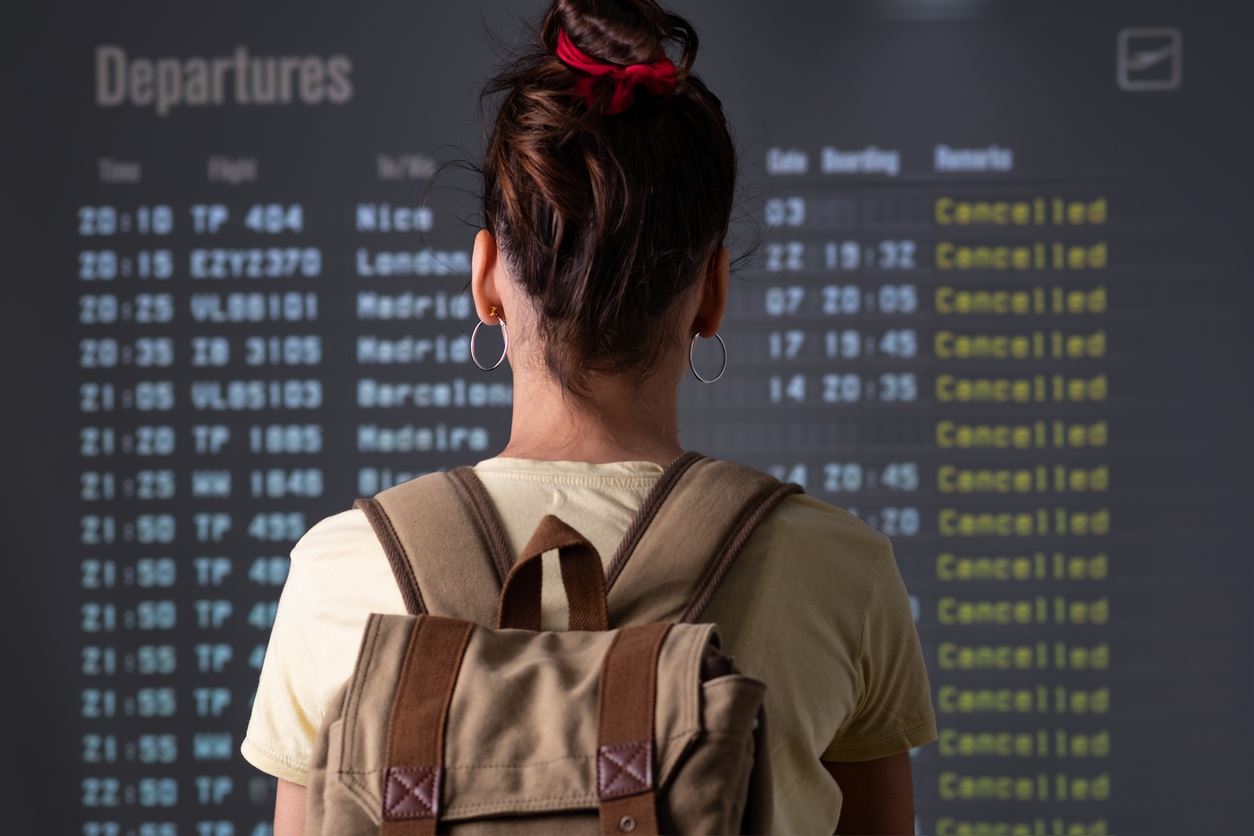
UK consumers are beginning to rein in travel spending, as rising living costs and global uncertainty weigh more heavily on household decisions.
New data from Barclays shows travel spending fell by 3.3% in March—the first annual decline in the category since March 2021—suggesting many people are becoming more cautious about booking holidays and larger leisure purchases.
Overall card spending rose by just 0.9% year on year, slightly lower than February’s 1% increase, reflecting a broader slowdown in discretionary spending.
The sharpest declines were seen in areas closely tied to overseas travel, including airlines, travel agents and public transport. At the same time, some consumers appear to be opting for closer-to-home alternatives. Spending on hotels and accommodation rose modestly by 1.2%, helped by an increase in domestic breaks over the Easter period.
Behind the shift is growing economic unease. Continued tensions in the Middle East and concerns over energy prices are already influencing behaviour, with around one in seven adults reportedly delaying major purchases or building up savings in anticipation of higher costs ahead.
Although the UK energy price cap fell by 7% in April, expectations of a sharp rise in July—driven by higher wholesale prices—are adding to uncertainty around household budgets.
Essential spending is also beginning to edge upwards again. Fuel spending increased by 1.6% in March, marking its first rise in more than a year as higher oil prices fed through to drivers. Meanwhile, growth in discretionary spending slowed to 1.1%, although categories such as clothing and entertainment continued to show resilience.
Consumer confidence itself remains divided. Many households still feel relatively secure about their own finances, but optimism about the wider UK and global economy has weakened noticeably.
At the same time, retail spending has remained surprisingly strong. Sales rose by 3.6% year on year, driven largely by higher food spending—highlighting that while consumers may be cutting back on larger discretionary purchases, everyday costs continue to command a growing share of household budgets.
The figures point to a subtle but important shift in consumer behaviour. Rather than stopping spending altogether, households appear to be becoming more selective—prioritising essentials, staying closer to home, and postponing bigger financial commitments while economic uncertainty persists.


