


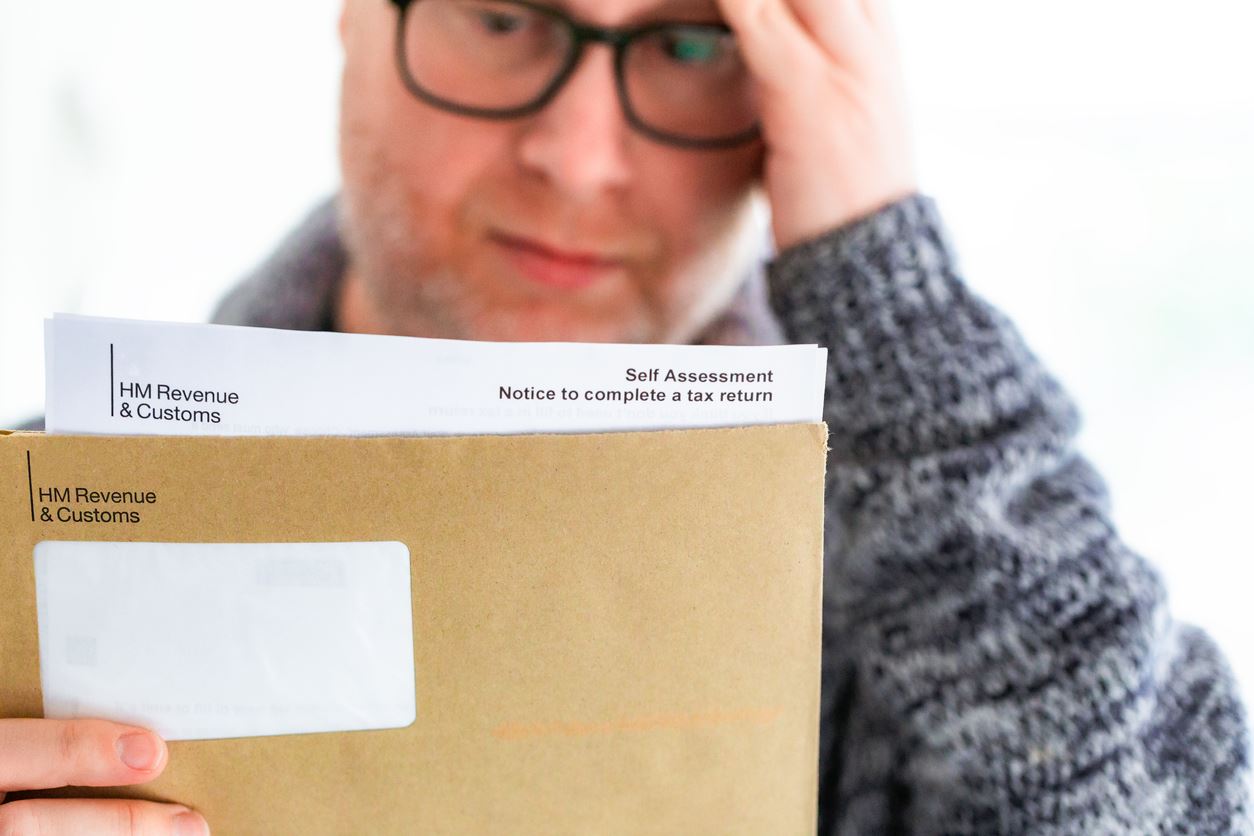
The new tax year is now underway—and with it, a series of changes that are already raising concerns among taxpayers and advisers alike.
From 6 April 2026, several reforms have come into force, with the Chartered Institute of Taxation (CIOT) warning that some of the most significant changes could have far-reaching implications.
Among the most debated is the extension of Inheritance Tax (IHT) to include certain family businesses and farms. While the reforms include additional allowances and lower rates, they are expected to bring more estates into scope—potentially increasing the need for valuations and more detailed tax planning.
Changes to the taxation of dividends and employee benefits have also taken effect, adding to the overall shift in how income is taxed for business owners and employees.
At the same time, the rollout of Making Tax Digital (MTD) for Income Tax is gathering pace. Under the new rules, most sole traders and landlords earning over £50,000 will be required to maintain digital records and submit quarterly updates to HMRC. Over the next three years, around 2.9 million self-assessment taxpayers are expected to be brought into the system, significantly changing how tax is reported and managed.
While some measures came into force slightly earlier, from 1 April, the start of the tax year this week marks the point at which many of these changes begin to take practical effect.
Ellen Milner, CIOT Director of Public Policy, noted that while the new tax year often signals a fresh start, it also introduces new complexities. She highlighted the expansion of IHT to business and agricultural assets as particularly significant, warning that affected individuals will need to pay close attention to their tax planning as the rules bed in.
For taxpayers, the message is clear: the new tax year isn’t just a calendar reset—it brings meaningful changes that may require action sooner rather than later.


