


UK inflation has risen to its highest level in four months, adding fresh pressure to households and businesses already dealing with higher costs.
Latest figures from the Office for National Statistics show the Consumer Prices Index (CPI) increased to 2.9%, with higher energy costs playing a major role in the rise.
The increase follows Ofgem’s latest energy price cap adjustment, which took effect on 1 July and added around £221 a year to a typical household energy bill.
Chancellor John Healey said the ongoing war in Iran is also contributing to higher prices, although he stressed that the UK economy remains resilient despite the renewed inflationary pressure.
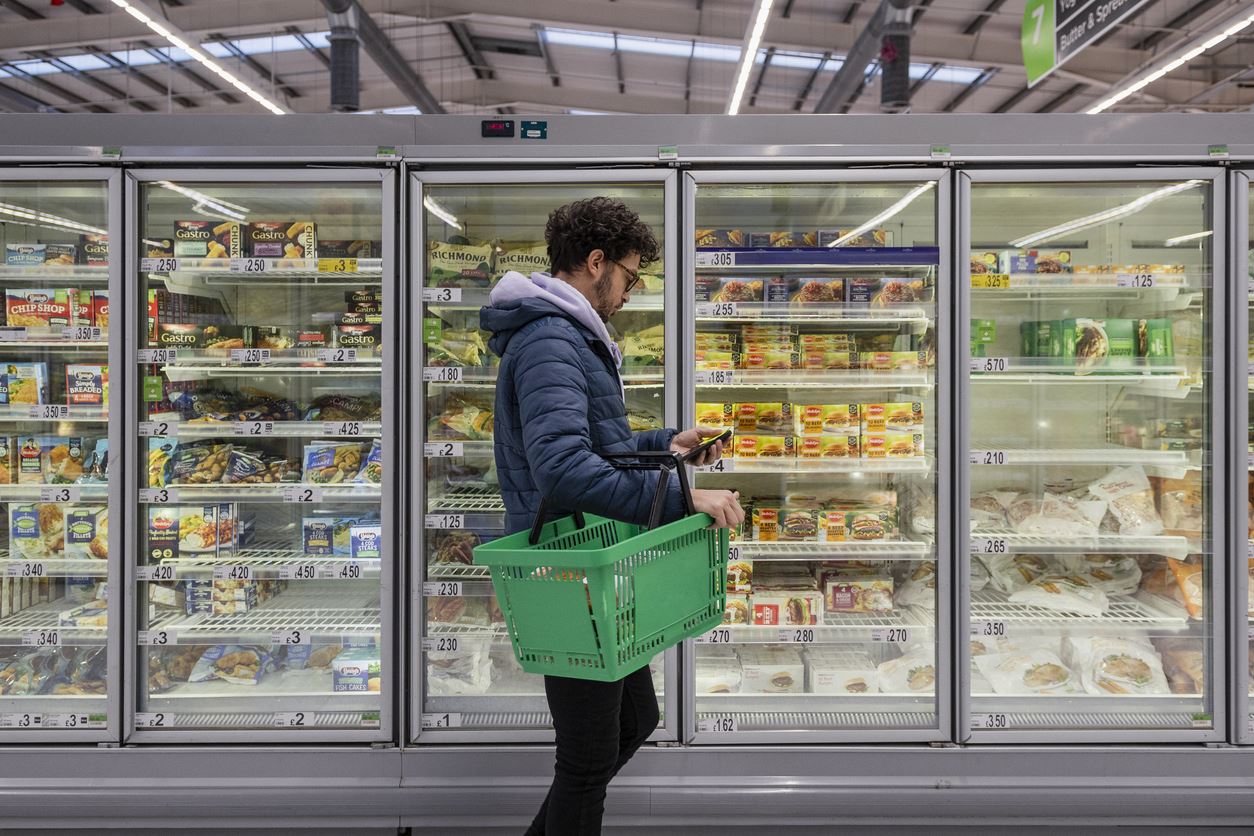
There was some better news in the detail. Food inflation slowed to 1.3%, its lowest level in almost five years, offering some relief to households after a prolonged period of elevated grocery costs.
However, concerns remain that inflation could rise further in the months ahead, particularly if energy prices remain high.
Caterina Batog, Research and Economics Analyst at the British Chambers of Commerce, said businesses continued to feel the impact of rising prices, warning that the latest CPI increase adds to the wider cost pressures facing firms.
She also noted that higher household energy bills linked to the Middle East crisis played a significant role in July’s increase and that energy costs could continue to push inflation higher.
For households, the figures suggest the cost-of-living squeeze has not disappeared. For businesses, they add another layer of uncertainty around wages, operating costs and future interest rate decisions.
The latest data will also be closely watched by the Bank of England, as policymakers continue to balance the need to support economic growth with the risk of inflation moving further away from its target.


